Services
Software services across the full product lifecycle
Six areas of expertise that often work together in one project — so a product can move from idea to release, and keep improving afterwards, with one team.
Each section below explains what the work involves, the activities a typical project includes and examples of the technologies used.
Technologies are examples — confirm before launch01 / 06
Software Engineering
Custom web applications, APIs and internal business systems, designed to be maintained for years rather than months. We favour clear architecture, readable code and automated tests from the first sprint.

What the work involves
We build web applications, APIs and internal business systems, from the first architecture decisions through to release. Most projects begin with a short discovery phase to agree on scope, users and constraints, followed by development in short iterations that can be demonstrated and tested.
We also work on existing software: stabilising codebases, improving performance, adding tests and moving legacy components to maintainable architectures step by step, without stopping the business that depends on them.
Typical project activities
- 01Architecture and technical design
- 02Web application and API development
- 03Integration with internal and third-party systems
- 04Code review, refactoring and test coverage
- 05Modernisation of legacy applications
Relevant technologies
- TypeScript
- React
- Next.js
- Node.js
- Java
- Python
02 / 06
AI and Machine Learning
Machine learning models and generative AI features that solve a defined problem inside a real product. Every model is evaluated against agreed measures of accuracy, cost and risk before it reaches users.

What the work involves
We help teams decide where machine learning adds real value, then build and integrate it: classification and prediction models, document and text processing, and generative AI features built on large language models.
Every model is evaluated before and after release against agreed measures of accuracy, cost and risk. Data sources and known limitations are documented, and features are designed so that people stay in control of important decisions.
Typical project activities
- 01Use-case assessment and feasibility checks
- 02Data preparation and feature engineering
- 03Model training, evaluation and tuning
- 04LLM integration and retrieval-augmented generation
- 05Monitoring models in production
Relevant technologies
- Python
- PyTorch
- TensorFlow
- scikit-learn
- LLM APIs
03 / 06
Data Engineering
Reliable pipelines, warehouses and data models that turn scattered sources into information people can act on. Data quality checks and documentation are part of the build, not an afterthought.
What the work involves
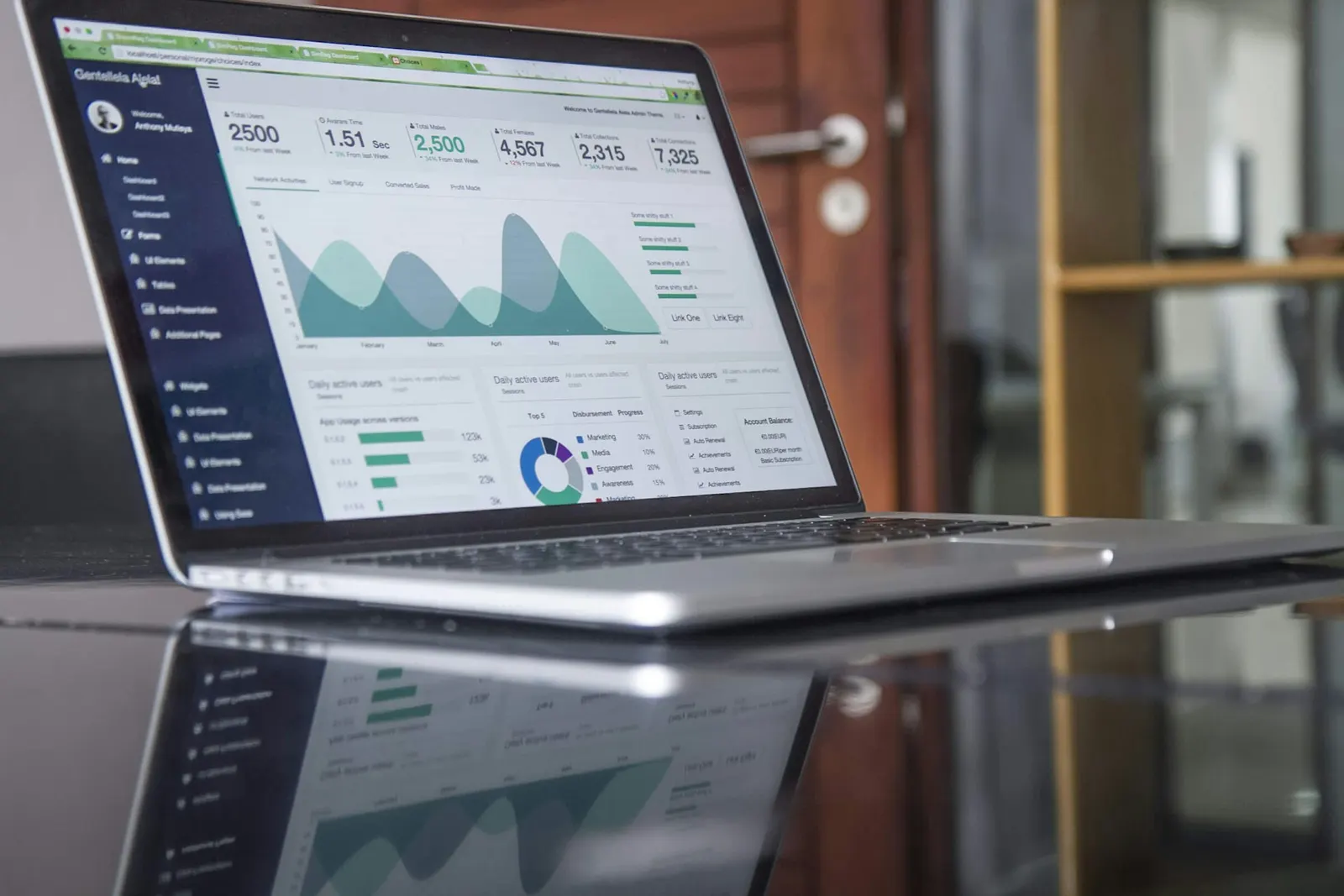
We design pipelines that collect data from operational systems, files and external services, clean and model it, and load it into warehouses where analysts and applications can use it.
Data quality is checked automatically at each step, and every dataset is documented with its source, owner and refresh schedule, so reports can be trusted and problems are caught before they reach a dashboard.
Typical project activities
- 01Data source analysis and modelling
- 02Batch and streaming pipelines
- 03Data warehouse and lakehouse design
- 04Automated data quality checks
- 05Reporting and dashboard foundations
Relevant technologies
- Python
- SQL
- Apache Spark
- PostgreSQL
- dbt
04 / 06
Cloud and DevOps
Cloud environments defined as code, automated build and release pipelines, and monitoring that shows problems before users notice them. The goal is releases that are routine rather than risky.
What the work involves
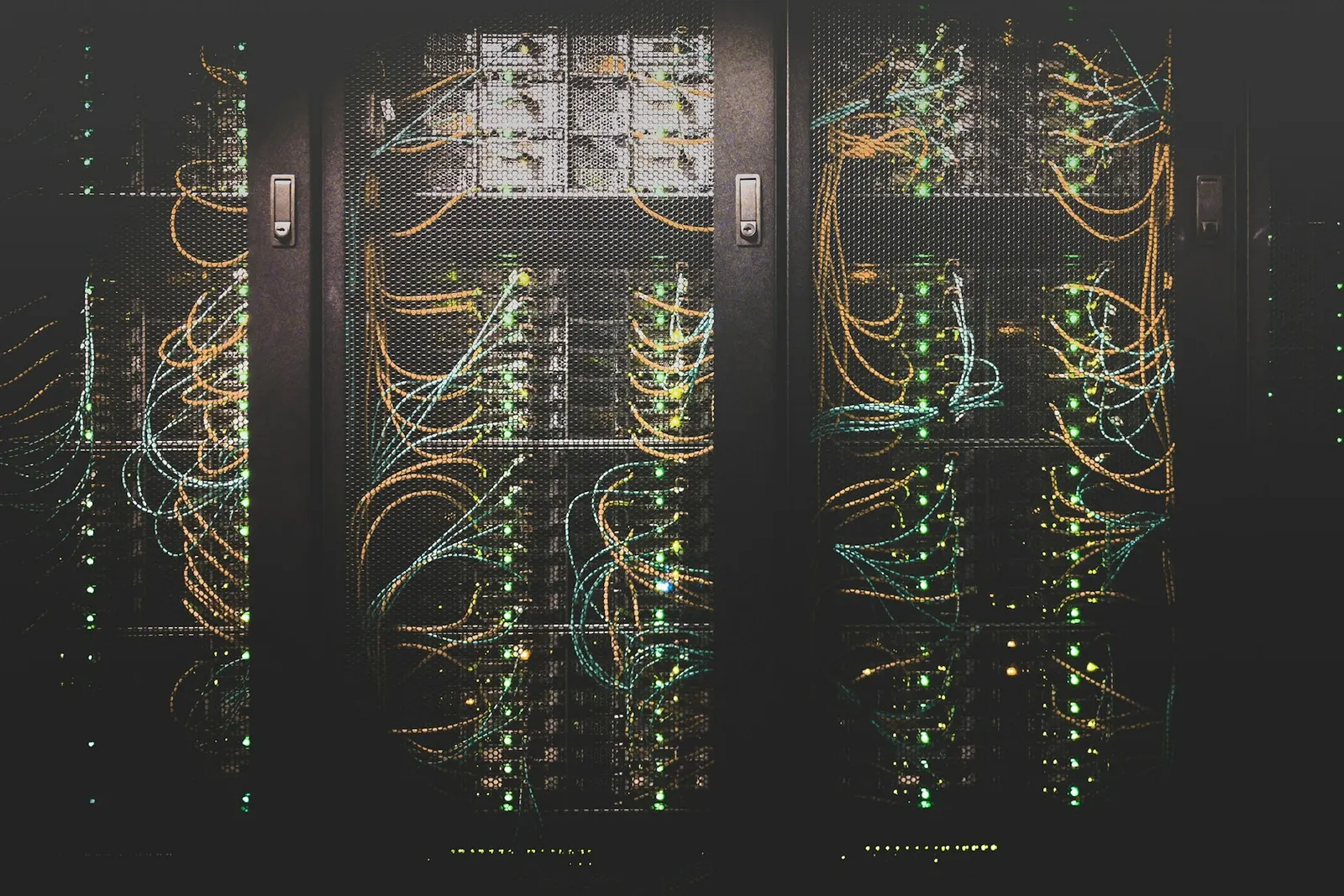
We design cloud environments that fit the application, define them as code so they can be reviewed and recreated, and automate the path from a code change to a tested release.
Monitoring, logging and alerting are set up alongside the infrastructure, together with clear runbooks, so issues are visible early and the team knows what to do when something goes wrong.
Typical project activities
- 01Cloud architecture and cost review
- 02Infrastructure as code
- 03CI/CD pipeline set-up
- 04Containerisation and orchestration
- 05Monitoring, logging and alerting
Relevant technologies
- AWS
- Microsoft Azure
- Docker
- Kubernetes
- Terraform
- GitHub Actions
05 / 06
Quality Assurance
Testing that runs alongside development instead of at the end: test planning, exploratory testing, automated regression suites and checks for performance and accessibility.

What the work involves
Testers join projects from the requirements stage, so acceptance criteria are clear before development starts and defects are found while they are still cheap to fix.
We combine exploratory testing with automated regression suites that run on every change, and add performance, security and accessibility checks where the product needs them.
Typical project activities
- 01Test strategy and planning
- 02Manual and exploratory testing
- 03Automated UI and API tests
- 04Performance and load testing
- 05Accessibility and usability checks
Relevant technologies
- Playwright
- Cypress
- Selenium
- Postman
- k6
06 / 06
UI/UX Design
Interfaces shaped by research with real users: flows, wireframes, prototypes and design systems that developers can build from directly, with accessibility considered from the start.
What the work involves
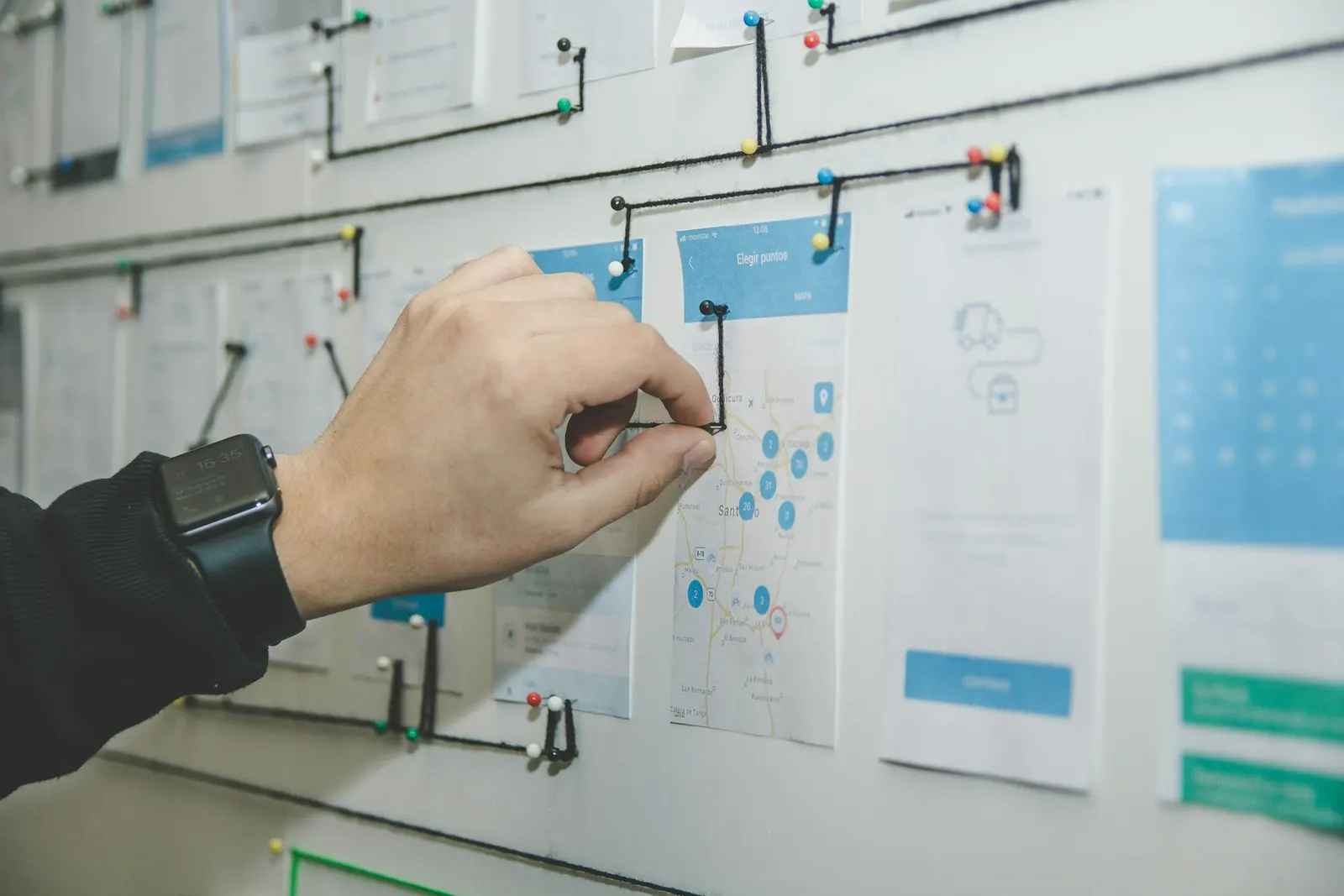
Design starts with the people who will use the product: interviews, task analysis and reviews of the tools they use today. From there we map user flows and test ideas with wireframes and clickable prototypes before anything is built.
Final designs are delivered as components in a shared design system, with documented states and accessibility notes, so developers can implement them accurately and the product stays consistent as it grows.
Typical project activities
- 01User research and interviews
- 02Information architecture and user flows
- 03Wireframes and interactive prototypes
- 04Visual design and design systems
- 05Usability and accessibility reviews
Relevant technologies
- Figma
- Design tokens
- WCAG 2.2
- Storybook
How we work
An end-to-end delivery approach
- 01
Step 1 of 6
Requirements
We start with the problem, the people who will use the software and the constraints around it, and write down what it must do and how success will be measured.
- 02
Step 2 of 6
Planning
Architecture, scope and milestones are agreed before development starts, with estimates that are honest about what is still uncertain.
- 03
Step 3 of 6
Development
Work is delivered in short iterations. Every change is reviewed and built automatically, and progress is shown in regular demos.
- 04
Step 4 of 6
Testing
Automated and manual testing run alongside development, covering functionality, performance, security and accessibility.
- 05
Step 5 of 6
Delivery
Releases are automated and repeatable, and each one comes with documentation the receiving team can rely on.
- 06
Step 6 of 6
Support
After launch, issues are tracked and fixed, improvements are prioritised together, and the next iteration is planned from real usage.
Start a project
Let's talk about what you need to build
Tell us about your idea, the systems it has to work with and your timeline. We will come back to you with questions and a suggested next step.